LailaShahzada.com | Remembering Laila Shahzada | Beo Zafar Khan
Beo Zafar Khan recalls the memory of her artist friend
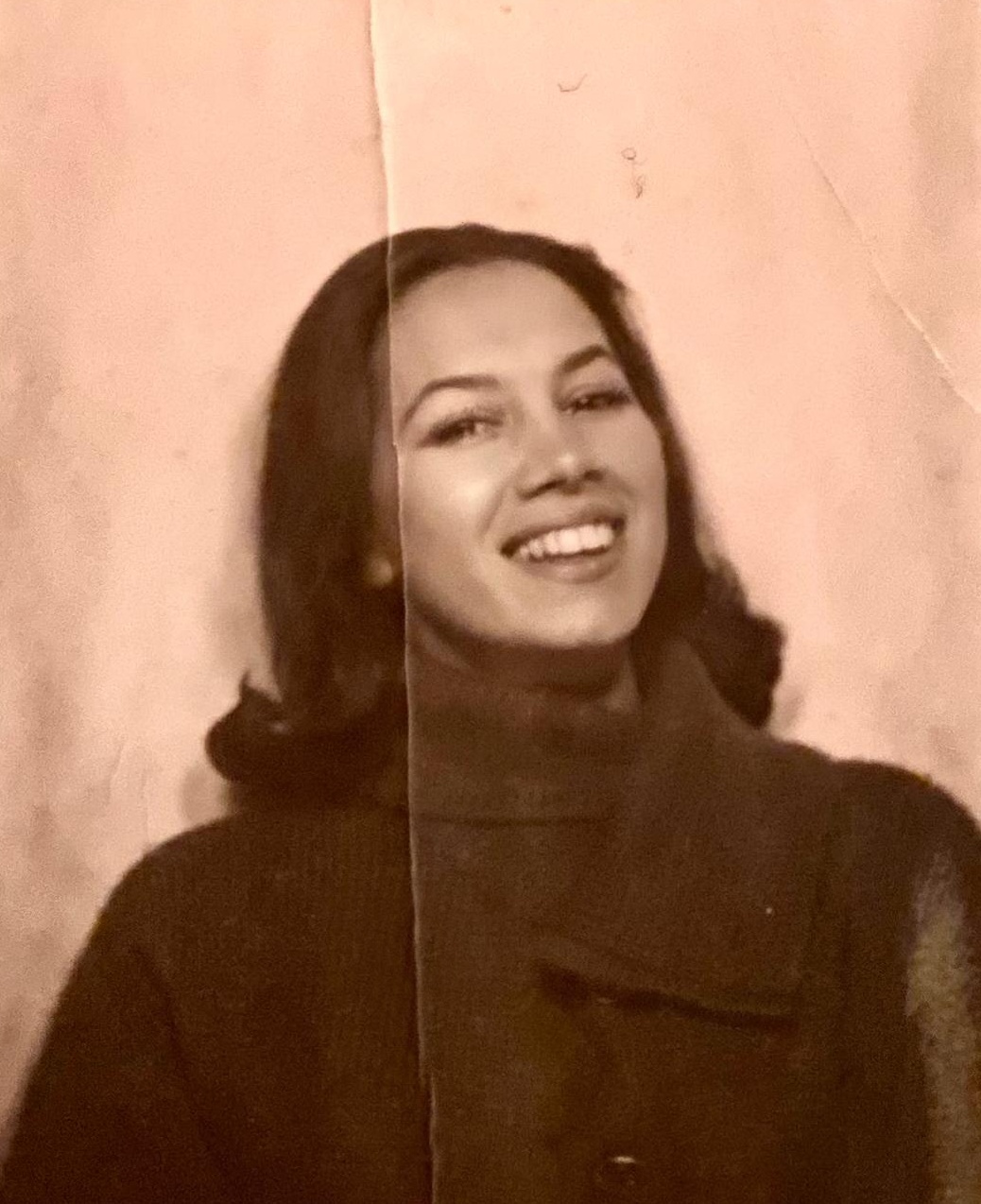
Laila Shahzada
The life story of Laila Shahzada, one of the pioneers of the art world in Pakistan, reads rather like the story of an elusive wood nymph or some such other-worldly creature for that is what she was, a person only half in this world and the other half on some mystic plane. Much has been written in the past about her work but very little is known about the kind of person she was and the way people close to her saw her.
Born an Aries in South England to a Memon jeweler from Kathiawar, Mohd Ali Javeri, and an English woman Florence Cox with whom he eloped and got married, Laila Shahzada was eldest of 6 children brought up in Jamnagar in a sprawling house with tennis courts and a swimming pool. She went to school in Panchgani near Poona where she excelled in art and carried off most of the art prizes. It seems she was a free spirit even as a little girl for she felt repressed in the strict patriarchal atmosphere at home and prevailed upon her mother to send her to send her to her maternal relatives in England to do a course in drawing and painting at the Royal Drawing Society. After this breath of fresh air she returned to India and took more lessons in art from whichever local art teacher she could find. But the nymph in Laila would not be stilled – the neighboring household of a Nawab family had stables full of horses that she loved, one of which she 'borrowed' every day for exhilarating rides through the countryside of Jamnagar.
Her own artistic development took her through different phases and stages, each one completely original and springing entirely from her own peculiar stage of evolution. Her leanings towards the mystical, the mythological and religious are obvious in the imagery of her works of Taxila, Harappa and Mohenjodaro. Asked if she felt anything unusual while painting she said "the first stroke or maybe the next is mine, but after that 'something' takes over until it is finished". Poetry always inspired her – she delved into Rumi, Omar Khayam, Allama Iqbal, Khalil Gibran and Faiz Ahmed Faiz. The combined effect of these masters of Sufism revealed itself in her etchings, which have been termed mystical. Some of her depictions were passionate, others intense, but always vigorous.
She had her first exhibition in 1961 which showed neat figurative work. She moved from the realistic to the semi-abstract – from still life to the quiet beauty of drift wood in a variety of formation. She contrasted her large serenely contemplating Buddha canvases with the fury of the Mohenjodaro bulls. The classists and purists may not have accepted her colours readily, but she gloried in colour, and if she was struck with the dramatic nude, she was taken in by the Taxila sculptures as well.
Laila's exotic, mystic and ancient themes appealed a great deal to Westerners. Her subsequent exhibitions abroad were notable successes.
The 20th of July 1996 makes it exactly two years since a very special lady left this world – her tragic and premature death left much of her work unfinished and the people who knew and loved her with a void they cannot fill.
Excerpts from 'Remembering Laila Shahzada' TFT July 18-24, 1996